

Ishraq Prayer Time still quiet, distractions are few, and the heart becomes more open to remembrance and reflection. In Islam, this blessed time shortly after sunrise is known as Ishraq time, a moment that holds great spiritual opportunity through the voluntary Ishraq prayer.
While the five daily prayers are the foundation of a Muslim’s worship, voluntary prayers add beauty, depth, and extra reward to a believer’s spiritual life. Among these, the Ishraq prayer stands out because it is performed at a time when most people are busy beginning their daily routines, yet the devoted servant remains in remembrance of Allah.
The Ishraq prayer is offered shortly after sunrise, after remaining in worship following the Fajr prayer. It is a simple act of devotion, usually consisting of two rak‘ahs, but its rewards are described as immense in Islamic teachings for those who spend their morning in dhikr and patience.
The Prophet Muhammad ﷺ described a remarkable reward for this practice:
“Whoever prays Fajr in congregation, then sits remembering Allah until the sun rises, then prays two rak‘ahs, he will have a reward like that of Hajj and Umrah, complete, complete, complete.”
(Tirmidhi)
This powerful narration reflects the extraordinary blessings tied to the early morning remembrance of Allah and the consistency of worship after Fajr. It shows how a small act, done with sincerity, can carry immense spiritual weight.
You can also read; St Jude 3 Day Miracle Prayer: Finding Hope When All Seems Lost
What Is Ishraq Prayer?
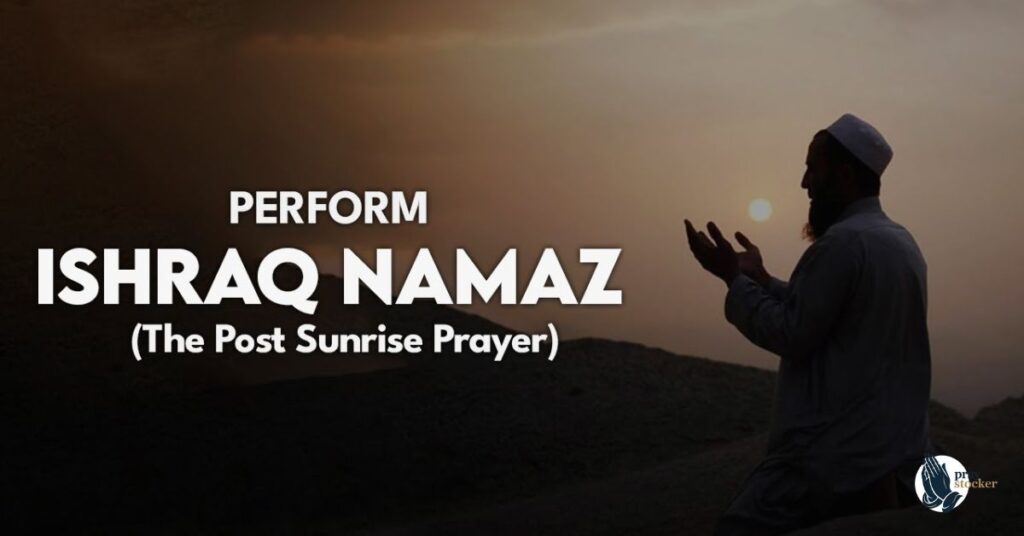
Ishraq Prayer Time is a voluntary (nafl) prayer in Islam that is performed shortly after sunrise, once the prohibited time of prayer has passed. It is a simple act of devotion, usually consisting of two rak‘ahs, offered by a believer who chooses to begin their day in the remembrance of Allah.
Islamic scholars explain that the Ishraq prayer is closely connected to staying in worship after Fajr prayer. A believer remains engaged in dhikr, Quran recitation, or reflection until the sun has fully risen, and then performs this special prayer as an act of gratitude and devotion.
The timing of Ishraq prayer is clearly defined in Islamic teachings. It begins after the sun has risen and slightly climbed above the horizon, typically around 15–20 minutes after sunrise. This waiting period is important because prayer is discouraged at the exact moment of sunrise.
In general, the timing is understood as follows:
- Fajr prayer: Before sunrise
- Sunrise: When the sun first appears on the horizon
- Prohibited time: At the exact moment of sunrise
- Ishraq prayer: About 15–20 minutes after sunrise
- Duha prayer: From Ishraq time until just before Dhuhr
For example, if sunrise occurs at 6:30 AM, then Ishraq prayer can usually be performed around 6:45–6:50 AM, depending on local timing and scholarly opinion.
This short but blessed window encourages Muslims to begin their day with patience, remembrance, and spiritual focus rather than immediately turning to worldly activities. It reflects the Islamic emphasis on morning worship and mindful connection with Allah.
The Qur’an highlights the value of early morning devotion:
“And remember the name of your Lord morning and evening.”
(Qur’an 76:25)
This verse reminds believers of the importance of beginning and ending the day with remembrance, making the Ishraq prayer a beautiful opportunity to continue that spiritual habit after sunrise.
When Is the Exact Ishraq Prayer Time?
The exact time for Ishraq prayer begins after the sun has fully risen and moved slightly above the horizon. Islamic scholars agree that this prayer cannot be performed at the exact moment of sunrise, as prayer is discouraged during that short period.
In practical terms, Ishraq time starts about 15–20 minutes after sunrise, when the sun has risen high enough to remove the disliked (makruh) time for prayer. This short waiting period is important and is based on authentic Islamic teachings about avoiding prayer at sunrise, sunset, and when the sun is at its highest point.
The timing can be understood in a simple way:
- Sunrise: The sun first appears on the horizon
- Disliked time: The exact moment of sunrise (no prayer allowed)
- Ishraq begins: About 15–20 minutes after sunrise
- End of Ishraq: It continues until the time of Duha prayer ends at midday
For example, if sunrise is at 6:30 AM, then Ishraq prayer usually begins around 6:45 AM to 6:50 AM, depending on local calculation methods.
It is important to note that Ishraq is not a fixed clock time but depends on the actual sunrise in your location each day. That is why Muslims are encouraged to check local prayer timetables for accuracy.
The Prophet Muhammad ﷺ encouraged remembrance of Allah in the early hours of the day, highlighting the value of staying in worship after Fajr until sunrise and beyond. This makes Ishraq prayer a beautiful continuation of morning devotion and patience.
By waiting just a few extra minutes after sunrise, believers transform a simple morning into a spiritually rewarding moment filled with remembrance, gratitude, and closeness to Allah.
The Incredible Rewards of Ishraq Prayer
Ishraq Prayer Time is a voluntary act of worship in Islam that carries extraordinary spiritual rewards for those who dedicate their early morning to the remembrance of Allah. Although it consists of only two simple rak‘ahs, its benefits extend far beyond its physical simplicity, touching both the heart and the believer’s entire day.
Islamic scholars and authentic narrations highlight that those who remain in dhikr after Fajr prayer until sunrise, and then perform two rak‘ahs of Ishraq, are granted a reward similar to that of Hajj and Umrah. This powerful promise shows how deeply valued early morning worship is in Islam.
In general, the spiritual rewards of Ishraq prayer can be understood like this:
- A reward comparable to Hajj and Umrah (for those who stay in remembrance after Fajr)
- Forgiveness and mercy from Allah for consistent morning worship
- Inner peace, calmness, and emotional stability throughout the day
- Barakah (blessing) in time, work, and daily livelihood
- Strengthened connection with Allah through early devotion
For example:
A believer who begins their day with Fajr prayer, remains in remembrance until sunrise, and then performs two rak‘ahs of Ishraq may find their whole day filled with peace, focus, and unexpected ease in their affairs.
This short but powerful act encourages Muslims to avoid rushing into worldly distractions immediately after Fajr and instead continue in worship, reflection, or quiet remembrance.
The Qur’an emphasizes the value of early morning devotion and those who seek Allah’s forgiveness in the blessed hours:
“And those who seek forgiveness before dawn.”
(Qur’an 51:18)
While this verse highlights pre-dawn worship, it reflects a broader Islamic principle: the early hours of the day are filled with mercy, blessings, and spiritual opportunity for those who remember Allah sincerely.
How to Perform Ishraq Prayer
One of the beautiful aspects of Ishraq prayer is its simplicity. It does not involve any complex rituals or lengthy procedures. What truly matters is sincerity, focus, and devotion to Allah during the early hours of the day.
Islamic scholars explain that Ishraq prayer is a voluntary prayer that follows a simple and peaceful routine after Fajr. It is performed once the sun has fully risen and the disliked time of sunrise has passed.
Here is how to perform Ishraq prayer:
1. Perform Fajr Prayer
Begin your day by offering the Fajr prayer on time, ideally in congregation if possible. This sets the foundation for a spiritually blessed morning.
2. Stay in Dhikr and Worship
After Fajr, remain engaged in the remembrance of Allah until sunrise. This may include:
- Reciting the Qur’an
- Saying dhikr (SubhanAllah, Alhamdulillah, Allahu Akbar)
- Making personal dua
- Sitting quietly in reflection and gratitude
This time strengthens mindfulness and fills the heart with peace and spiritual awareness.
3. Wait Until the Sun Fully Rises
After sunrise, wait approximately 15–20 minutes, until the sun has risen clearly above the horizon. This ensures the disliked time for prayer has passed.
4. Offer Two Rak‘ahs of Prayer
Then perform two rak‘ahs of voluntary prayer, similar to other nafl prayers. You may recite any Surah after Surah Al-Fatiha in each rak‘ah.
Some scholars mention that four rak‘ahs are also permissible, but the most commonly practiced form of Ishraq prayer is two rak‘ahs.
This simple sequence turns the early morning into a powerful spiritual routine, filled with remembrance, discipline, and closeness to Allah.
The Spiritual Benefits of Starting Your Day With Ishraq
One of the most beautiful aspects of Ishraq prayer is that its spiritual impact is simple yet deeply powerful. It does not require any complicated steps or lengthy rituals, what truly matters is sincerity, consistency, and devotion to Allah.
Here is how the spiritual benefits of Ishraq prayer can be understood:
1. Inner Peace and Emotional Calmness
Starting the day with Ishraq brings tranquility to the heart. After Fajr and morning remembrance, the soul feels lighter, calmer, and more balanced.
2. Strengthened Connection With Allah
Remaining in dhikr and then offering Ishraq prayer helps a believer stay spiritually connected to Allah at the very beginning of the day.
3. Increased Gratitude and Mindfulness
This practice encourages reflection on Allah’s blessings, helping the believer become more thankful and aware of daily favors.
4. Barakah (Blessing) in Daily Life
Many believers experience greater ease, productivity, and unexpected blessings in their work and responsibilities after beginning the day with Ishraq.
5. Protection From Stress and Negativity
Starting the morning in worship helps protect the heart from anxiety, distractions, and negative thoughts throughout the day.
6. Building Discipline in Worship
Waking up for Fajr, staying in remembrance, and completing Ishraq prayer builds strong spiritual discipline and consistency.
7. A Positive Start to the Entire Day
This simple routine sets a spiritual tone for the day, making it easier to stay patient, focused, and hopeful in all situations.
This short but meaningful practice transforms ordinary mornings into spiritually uplifting moments that strengthen faith and bring peace to the heart throughout the day.
Tips for Making Ishraq Prayer a Daily Habit
One of the most beautiful aspects of Ishraq prayer is that it can easily become a life-changing daily habit when practiced with consistency and intention. Even though it is a voluntary prayer, building it into your routine can bring lasting spiritual peace and discipline.
Here are some practical tips for making Ishraq prayer a daily habit:
1. Start With a Strong Intention
Begin each night by making the intention to wake up for Fajr and continue your morning in remembrance until Ishraq prayer. A sincere intention makes consistency much easier.
2. Pray Fajr on Time
Make Fajr prayer your priority. When Fajr becomes a strong part of your routine, staying awake for Ishraq becomes natural and spiritually rewarding.
3. Stay Engaged After Fajr
Avoid going back to sleep immediately after Fajr. Instead, remain in dhikr, recite the Qur’an, or sit in quiet reflection until sunrise. This keeps your heart spiritually active.
4. Set a Reminder for Ishraq Time
Use an alarm or prayer app to remind you 15–20 minutes after sunrise so you don’t miss the correct time for Ishraq prayer.
5. Keep It Simple and Consistent
Start with just two rak‘ahs every day. Consistency is more important than quantity, and even a small habit builds strong long-term spiritual growth.
6. Make a Peaceful Morning Routine
Creating a calm environment in the early morningless phone use, quiet reflection, and light dhikr help make Ishraq prayer more meaningful.
7. Ask Allah for Help and Consistency
Make regular dua asking Allah to help you stay consistent in worship. Spiritual habits become stronger when supported by sincere prayer.
8. Track Your Progress
Keep a simple mental or written note of your consistency. Seeing your progress encourages motivation and long-term commitment.
9. Remember the Rewards
Always remind yourself of the spiritual rewards and blessings of Ishraq prayer. Awareness of its value increases motivation to continue it daily.
By following these simple tips, Ishraq prayer can become a peaceful and powerful part of your daily life, filling your mornings with remembrance, discipline, and closeness to Allah.
FAQs
What is the main benefit of Ishraq prayer?
The main benefit of Ishraq prayer is gaining immense spiritual reward and starting the day with peace, remembrance, and closeness to Allah.
Does Ishraq prayer really bring the reward of Hajj and Umrah?
Yes, authentic hadith mention that staying in dhikr after Fajr until Ishraq prayer can bring a reward similar to Hajj and Umrah.
How many rak‘ahs are in Ishraq prayer?
Ishraq prayer is usually 2 rak‘ahs, though some scholars also allow up to 4 rak‘ahs as voluntary worship.
What is the best time to pray Ishraq?
The best time is about 15–20 minutes after sunrise, once the sun has fully risen above the horizon.
Can Ishraq prayer change my daily life?
Yes, it brings barakah, peace of heart, better focus, and a more positive and productive start to the day.
Conclusion
Ishraq Prayer Time is a beautiful Sunnah that transforms the early morning into a powerful moment of worship and reflection. Even though it is a short voluntary prayer, its spiritual impact is deeply meaningful for those who practice it consistently with sincerity and devotion.
By starting the day with Fajr, remaining in dhikr, and performing Ishraq prayer, a believer opens the door to peace, barakah, and closeness to Allah. It helps build discipline, strengthens faith, and sets a positive tone for the entire day.

Allex is a Christian writer and the founder of Pray Stocker, where he shares prayers, devotionals, and faith-based encouragement to inspire and uplift readers in their spiritual journey.