

How Long Until 2:30 PM often becomes a natural focus point in the middle of the day. It may represent a meeting, break, or task that helps people stay organized and mentally prepared for what comes next.
The idea of counting down to 2:30 PM is closely tied to daily planning. It allows individuals to track time more clearly and align their activities with a fixed point in the afternoon.
A countdown toward 2:30 PM creates a sense of anticipation and structure. People often use such time markers to stay productive and maintain a steady workflow throughout the day.
Knowing how much time is left until 2:30 PM helps improve awareness of the day’s progress. It supports better time management and reduces uncertainty in scheduling.
Tracking the remaining time until 2:30 PM turns ordinary waiting into a structured process. It helps people stay focused and mentally prepared for upcoming tasks.
| Current Phase of Day | Target Time | Meaning of the Moment | Time Awareness |
| Early day | 2:30 PM | Plenty of time remains before the target | Long wait period |
| Midday | 2:30 PM | Time is gradually moving toward the target | Moderate wait period |
| Afternoon approach | 2:30 PM | The target is getting closer | Short wait period |
| After target time | 2:30 PM | The moment has passed | New schedule phase |
| Any current moment | 2:30 PM | Continuous comparison with present time | Always updating sense of time |
Why People Care About 2:30 PM More Than They Admit
Time has a strange way of bending depending on what we expect from it. 2:30 PM is not just a point on the clock, it often becomes a mental anchor that shapes how the rest of the day feels. The clock stays neutral, but human attention gives it meaning.
When someone focuses on 2:30 PM, they might be:
- Waiting for an important meeting or work update
- Tracking a school pickup or dismissal time
- Counting down to the end of a shift or project task
- Preparing for a medical appointment or consultation
- Looking forward to a tea break or short rest
- Monitoring a delivery or service time window
- Planning the start of an online class or session
- Checking a reminder set earlier in the day
- Organizing a personal routine or schedule checkpoint
- Simply watching the clock without a clear reason
The interesting part is that 2:30 PM itself is not inherently important, it becomes important because of what it represents in someone’s day. Anticipation changes how time is experienced. When something meaningful is expected, even short waits can feel stretched, while a busy or distracted mind can make the same minutes disappear almost unnoticed.
You can also read: Happy New Month Text Messages for Friends and Family
How Long Until 2:30 PM Depends on the Current Time
The time remaining until 2:30 PM is never a fixed experience; it constantly changes based on where the clock currently stands. What feels like a long wait in the morning can feel much shorter as the afternoon approaches. The same countdown behaves differently depending on how far you are from that specific moment, and how your day is unfolding around it.
When people check how long is left until 2:30 PM, the answer depends on:
- Whether it is still early in the morning or already past midday
- How close the current time is to the afternoon hours
- If the person is actively waiting or distracted with other tasks
- Whether 2:30 PM represents something important like a meeting or break
- If the day has been busy, slow, or emotionally loaded
- How often the person is checking the clock
- Whether the time has already passed and reset for the next cycle
In reality, 2:30 PM is a moving target in perception. The closer you get to it, the faster it seems to arrive, and the farther you are from it, the more distant it feels.
How Long Until 2:30 PM: The Human Side of Waiting
Time is not just something we measure, it is something we feel. A simple question like how long until 2:30 PM is really about how people experience waiting, expectation, and attention in everyday life. The clock may stay steady, but human emotion changes the weight of each passing minute.
When people think about waiting for 2:30 PM, it often connects to:
- Anticipating an important meeting or appointment
- Counting down to a break during a busy workday
- Waiting for school dismissal or pickup time
- Preparing mentally for a scheduled task or event
- Watching the clock during slow or quiet moments
- Feeling time pass differently when busy versus bored
- Expecting something meaningful to happen at that exact moment
- Structuring the day around a familiar time checkpoint
- Managing stress by focusing on a future moment
- Simply passing time with awareness of the clock
The human side of waiting shows that 2:30 PM is rarely just about time itself. It becomes a small emotional milestone in the daysometimes comforting, sometimes stressful, but always shaped by what the mind attaches to it.
Understanding the Countdown to 2:30 PM
A countdown to 2:30 PM is more than a simple time calculation; it is a way people organize their attention around a specific point in the day. The remaining time is always changing, shaped by the current moment, personal routine, and what that time represents in someone’s schedule.
When people think about the countdown to 2:30 PM, it often involves:
- Measuring how much of the day has already passed
- Estimating the remaining hours and minutes until the target time
- Planning tasks around a fixed afternoon checkpoint
- Breaking long periods of time into smaller, manageable segments
- Using 2:30 PM as a reference point for productivity or rest
- Checking progress toward deadlines or scheduled events
- Staying mentally aligned with meetings, breaks, or routines
- Reducing uncertainty by focusing on a clear time marker
- Adjusting pace depending on how close the time feels
- Staying aware of how quickly the day is moving
In the end, the countdown to 2:30 PM is not only about numbers on a clock. It is about how people structure their day around meaningful moments, turning time into something easier to understand, follow, and anticipate.
How Long Until 2:30 PM Using Simple Math
Finding how long until 2:30 PM is actually a straightforward process when broken into simple time differences. It is all about comparing the current time with the target time and calculating the gap between the two.
When people calculate the time remaining until 2:30 PM, they usually follow a simple logic:
- Start with the current hour and minute
- Identify the target time, which is 2:30 PM
- Subtract the current time from the target time
- Convert hours into minutes if needed for easier calculation
- Adjust if the minutes in the current time are greater than 30
- Break the result back into hours and minutes for clarity
- Consider whether the target is still ahead or already passed
- Reset the calculation if 2:30 PM belongs to the next day
- Keep track of time in consistent units for accuracy
- Use a clock, timer, or mental estimation for quick checks
In simple terms, the countdown is just a subtraction problem between two moments in time. Once the difference is found, it becomes easy to understand exactly how far away 2:30 PM really is.
How Long Until 2:30 PM in Everyday Work Life
In everyday work life, the question of how long until 2:30 PM often becomes more than simple time tracking; it turns into a mental checkpoint that helps structure productivity. For many people, this time sits right in the middle of the afternoon, when energy levels shift and focus either drops or resets depending on the workload.
In professional and routine settings, 2:30 PM is commonly linked with:
- Waiting for scheduled meetings or team check-ins
- Counting down to afternoon breaks or tea time
- Managing task deadlines within the work shift
- Tracking progress in long projects or assignments
- Preparing reports or updates due later in the day
- Coordinating with colleagues across departments
- Moving through slower post-lunch productivity hours
- Handling client calls or scheduled follow-ups
- Planning the remainder of the workday
- Simply watching time pass until the next milestone
In reality, 2:30 PM often acts like a soft boundary in the workday. It divides the day into “before” and “after,” helping people mentally reset, refocus, or push through remaining tasks. The exact number of minutes left matters less than what that time represents in the flow of work and responsibility.
The Psychology of Waiting for a Specific Time

Waiting for a specific time like 2:30 PM is not just a scheduling behavior, it is a psychological experience shaped by attention, expectation, and emotion. The mind doesn’t passively observe time; it actively interprets it based on what is expected to happen at that moment.
When people are waiting for a specific time, several mental patterns often appear:
- Attention becomes fixed on the clock more frequently than usual
- Time feels slower when the event is important or emotional
- The mind starts breaking time into smaller “mini checkpoints”
- Anticipation increases focus on the upcoming moment
- Boredom makes seconds feel longer than they actually are
- Busy engagement makes the same time feel shorter
- Emotional stakes (stress or excitement) distort time perception
- The brain starts predicting “how long is left” repeatedly
- Small delays feel bigger when attention is locked on time
- The target time becomes more meaningful than the current moment
The interesting part is that waiting changes how time is experienced, not how time actually flows. A neutral moment on the clock can feel completely different depending on whether someone is relaxed, busy, anxious, or excited. In this way, waiting for a specific time is less about the clock itself and more about how the human mind constructs the feeling of time passing.
Countdown to 2:30 PM During School and Study Sessions
In school and study environments, the countdown to 2:30 PM often becomes a silent part of the day’s rhythm. It can represent the end of classes, a break, or a transition into after-school activities, making it a meaningful time marker for students and teachers alike.
During academic routines, the focus on 2:30 PM is often linked with:
- Waiting for the final bell to signal the end of the school day
- Counting down to lunch breaks or short rest periods
- Anticipating dismissal time and going home
- Finishing assignments before a class period ends
- Preparing for after-school coaching or tuition sessions
- Managing energy levels through long study hours
- Watching the clock during slower classroom moments
- Planning revision sessions around the end of the day
- Coordinating group activities or study plans after school
- Simply tracking time until the next change in routine
In reality, 2:30 PM in school and study settings is more than just a timeit often feels like a transition point. It divides structured learning time from personal time, making the countdown feel both practical and emotional depending on how the day is going.
Countdown to 2:30 PM and Personal Productivity

Productivity experts often suggest that dividing the day into clear time blocks helps improve focus and output. Instead of treating time as one long, undefined stretch, setting a specific endpoint like 2:30 PM gives work a clear structure and direction.
Rather than saying:
“I’ll work for the whole afternoon.”
People often become more effective when they say:
“I’ll focus and work until 2:30 PM.”
This simple shift changes how the brain approaches tasks. The work becomes more intentional, and the end point creates a natural sense of urgency and clarity.
That is why many modern productivity methods rely on structured time systems such as:
- Time management techniques
- Productivity tracking systems
- Future time tracking tools
- Daily schedule planners
- Personal productivity timers
A clearly defined target time gives the mind something concrete to aim for. It turns abstract effort into a focused mission, like setting a destination on a map and deciding to reach it before stopping.
Digital Tools That Help Track Time Until 2:30 PM
In today’s fast-paced world, digital tools make it much easier to stay aware of time and manage daily schedules. Instead of constantly checking a clock, people often rely on apps and systems that automatically track time and highlight key moments like 2:30 PM.
Some commonly used digital tools for tracking time include:
- Countdown timer apps that show real-time remaining hours and minutes
- Calendar applications that schedule events and send reminders
- Smartwatch alerts that notify users before important time targets
- Productivity apps that break the day into structured time blocks
- Desktop widgets that display live clocks and countdowns
- Task management tools that link activities with specific deadlines
- Online timer websites for quick and simple time tracking
- Focus and Pomodoro apps that manage work sessions efficiently
- Mobile reminder systems that trigger alerts at set times
- Digital planners that organize the entire day visually
These tools help turn something abstract like “waiting until 2:30 PM” into a clear and visible process. Instead of mentally guessing how much time is left, users can see it in real time, making it easier to stay focused, organized, and productive throughout the day.
How Long Till 2:30 During Special Events?
The meaning of a simple time like 2:30 changes completely when it is tied to an important event. It is no longer just a point on the clock it becomes a moment filled with expectation, pressure, excitement, or preparation.
Imagine situations where 2:30 PM is the start of something significant:
- A wedding livestream begins at 2:30 PM
- A job interview is scheduled for 2:30 PM
- An exam paper opens at 2:30 PM
- A sports match kicks off at 2:30 PM
- A flight boarding or departure process starts at 2:30 PM
- A virtual conference or webinar goes live at 2:30 PM
- A family celebration or gathering begins at 2:30 PM
- A doctor’s appointment is set for 2:30 PM
Suddenly, the question “how long until 2:30 PM” carries real weight. It is no longer casual curiosityit becomes urgency, anticipation, or even anxiety depending on what is coming next.
The clock itself remains unchanged. But the meaning behind 2:30 PM transforms completely based on what people attach to it.
How Long Until 2:30 PM Around the World
The question of how long until 2:30 PM becomes more interesting when you look at it through a global lens. Because time is not universal in experience, 2:30 PM in one place is a completely different moment somewhere else. The countdown depends entirely on where you are standing on the map.
Across different parts of the world, 2:30 PM might mean:
- In one country, it is still morning and the countdown is long
- In another, it is already afternoon and the moment is approaching
- Somewhere else, 2:30 PM may have already passed for the day
- For travelers, it shifts instantly as they cross time zones
- For remote teams, it can mean completely different working hours
- For international events, it becomes a synchronized global reference point
- For airlines and travel schedules, it depends on local departure times
- For online meetings, it is adjusted to each participant’s region
- For global audiences, it requires constant time conversion
- For digital systems, it is standardized but locally interpreted
In reality, 2:30 PM is not one single moment worldwide, it is a repeating moment that travels across time zones. The countdown only makes sense when anchored to a specific location, showing how time is both global and deeply local at the same time.
FAQs
What does “how long until 2:30 PM” mean?
It refers to the remaining time between the current moment and 2:30 PM. The exact duration depends on what time it is right now.
Why do people check the time until 2:30 PM?
People often check it for meetings, breaks, school schedules, or deadlines. It helps them stay organized and aware of their daily routine.
Is the countdown to 2:30 PM always the same?
No, it changes every minute because the current time is always moving forward. The closer you get, the shorter the countdown becomes.
Can 2:30 PM feel different emotionally?
Yes, time perception changes based on emotion and activity. Waiting for something important can make the countdown feel longer.
Do time zones affect 2:30 PM?
Yes, 2:30 PM happens at different moments in different regions. Each location has its own version of 2:30 PM based on local time.
Conclusion
The countdown to 2:30 PM is more than a simple time calculation; it is a reflection of how people structure their day. Whether it represents work, study, travel, or personal routines, this moment often becomes a mental checkpoint that shapes focus and expectation.
Ultimately, 2:30 PM is not just a number on the clock but a meaningful point in daily life. Its importance depends entirely on what each person associates with it, turning ordinary time into something purposeful and engaging.
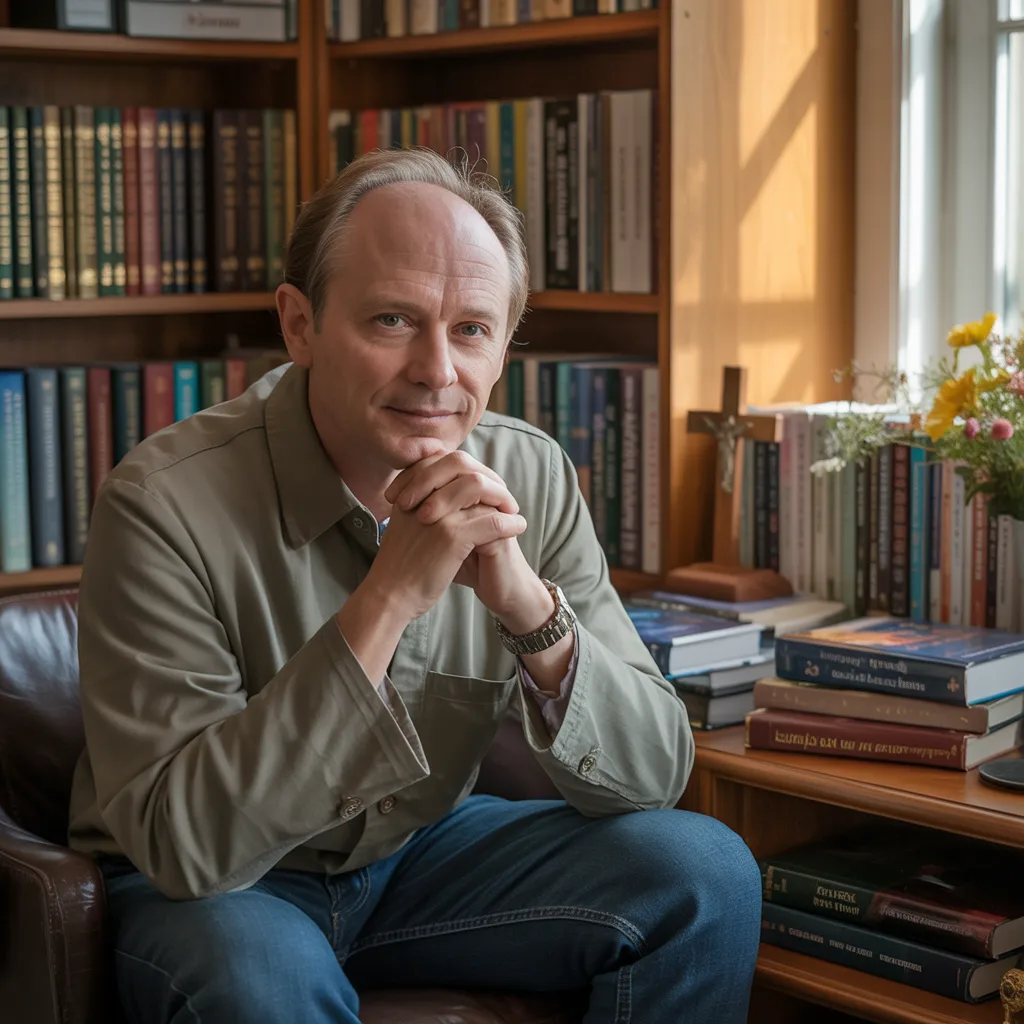
Allex is a Christian writer and the founder of Pray Stocker, where he shares prayers, devotionals, and faith-based encouragement to inspire and uplift readers in their spiritual journey.